
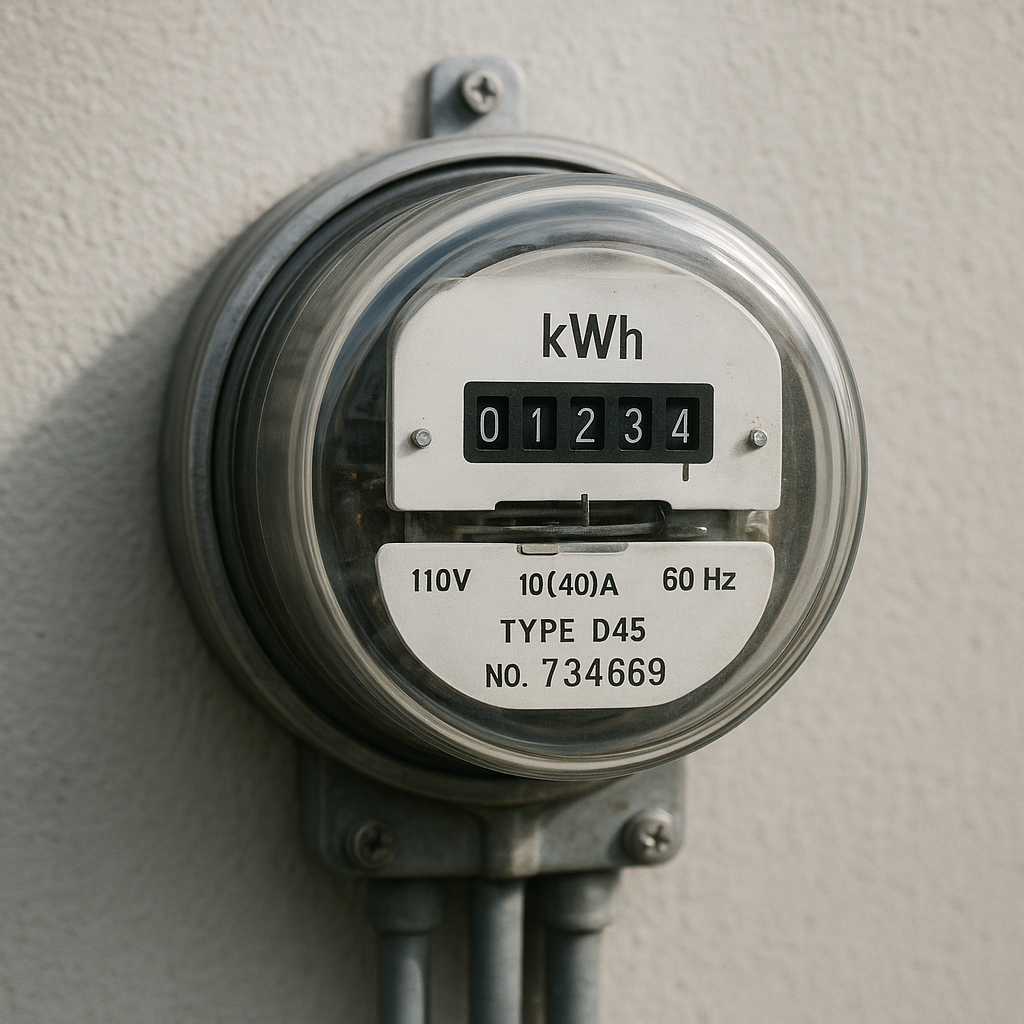
A useful monthly kWh benchmark for a one-bedroom apartment in the United States needs more than a bedroom count. Electric heating, air conditioning, and an electric water heater can change consumption substantially, even between apartments with similar layouts. No verified one-bedroom-specific national average is quoted here: a broader household figure would not reliably answer the question. To assess average electricity usage for a 1 bedroom apartment, start with actual utility bills, identify which systems run on electricity, and compare periods with similar weather. Keep consumption in kWh separate from the dollar amount charged.
How Much Electricity Does a One-Bedroom Apartment Use?
There is no single monthly figure that can reliably describe every one-bedroom apartment. A small unit with building-supplied heat and hot water has a different electricity load from an all-electric apartment, even if both house the same number of people.
The EIA’s Residential Energy Consumption Survey provides official residential energy data alongside housing, household, and equipment characteristics. Those details matter when choosing a comparison. An apartment benchmark is useful only when its housing definition, location, reporting year, and included energy uses are clear.
No directly applicable, verified one-bedroom figure is presented in this guide. That does not mean such an estimate could never be developed; it means a precise number should not be supplied without checking the underlying data. The EIA’s national residential electricity figures cover a broader population and should not be relabeled as a one-bedroom-apartment average.
When searching for average kwh for apartment comparisons, distinguish a measured average from a modeled estimate or a calculation example. The table below uses personal bill data rather than an unsupported national estimate.
| Benchmark | Electricity consumption | Population and period covered | Relevance to a one-bedroom apartment |
|---|---|---|---|
| Reader’s own apartment | Total kWh shown on the utility bill | One apartment; actual billing dates | Best starting point for tracking personal changes; check whether readings are actual or estimated. |
| Reader’s 30-day equivalent | Billing-period kWh ÷ billing days × 30 | Same apartment and billing period, adjusted to 30 days | Helps compare different billing lengths, but does not adjust for weather or occupancy. |
If a suitable annual benchmark is available, its average monthly equivalent is annual kWh ÷ 12. That is an arithmetic average, not a prediction for each month. Heating and cooling can push individual months well above or below it.
Why Electricity Usage Varies Between One-Bedroom Apartments
Electric Heating, Cooling, and Water Heating
The biggest comparison trap is assuming that every apartment’s electricity bill covers the same services. Check the equipment and the lease:
- An all-electric apartment may use electricity for space heating, cooling, hot water, cooking, and appliances.
- An apartment with gas heating may use electricity for fans or controls, while the heating fuel appears on a separate bill.
- Building-supplied heat or hot water may be included in rent or billed through a separate arrangement.
Gas or centrally supplied energy should not be counted as electricity consumed through the apartment electricity meter. Electric equipment also differs: a heat pump and electric resistance heating do not use electricity in the same way. Equipment condition, controls, and operating hours all affect the result.
Climate, Apartment Size, and Building Efficiency
Weather changes how hard heating and cooling equipment must work. A mild month is not a fair comparison with a heat wave or a long cold spell. Thermostat settings affect that workload too.
Square footage matters, but so does exposure. An interior apartment surrounded by occupied units can have different heating and cooling needs from a corner apartment or an exposed top-floor unit. Insulation, air leakage, window performance, and direct sunlight add more variation. Bedroom count captures very little of this.
Occupancy, Appliances, and Daily Habits
More time at home can mean longer heating or cooling schedules, more cooking, and more use of lights and electronics. Work-from-home electricity use depends on both the office equipment and any extra hours of climate control.
Laundry, dishwashing, electric cooking, and hot-water use also contribute. Refrigeration is a continuing load, although the compressor cycles rather than running constantly. An additional occupant does not add a fixed amount of consumption: some loads are shared, while showers and laundry may increase.
How to Calculate and Compare Your Apartment’s Electricity Usage
A consistent bill comparison is more useful than guessing from the payment amount. Use this process:
1. Find total kWh and billing days. Look for electricity consumed during the billing period, not the amount due or a budget-payment amount. Check the start and end dates.
2. Calculate average daily consumption. Divide billing-period kWh by the number of billing days. This makes short and long billing periods easier to compare.
3. Compare similar periods. Review previous bills with comparable weather and occupancy. The same month last year can help, but check for differences in temperatures, travel, or equipment.
4. Identify electric systems and separate utilities. Confirm whether heating, hot water, cooking, and laundry use electricity billed to the apartment.
5. Calculate a 30-day equivalent if useful. Multiply average daily kWh by 30. This adjusts for billing length, not seasonal demand.
Illustrative calculation: 450 kWh over 30 days equals 15 kWh per day. This is a calculation example, not a claimed average for a one-bedroom apartment.
Estimating Individual Appliance Consumption
The U.S. Department of Energy’s appliance energy-use guide explains how power and operating time can help estimate appliance energy consumption:
Electricity use in kWh = wattage × operating hours ÷ 1,000.
Watts describe power; kWh describe energy used over time. Nameplate wattage does not necessarily represent continuous consumption. Refrigerators cycle, and variable-speed equipment changes its power draw. Use operating information or suitable measurement data when available rather than assuming every appliance draws its rated power all day.
Is Your Electricity Usage Higher Than Expected?
There is no universal “high usage” threshold for a one-bedroom apartment. If consumption jumps, check these points before blaming a particular appliance:
- Billing length: Does this bill cover more days than usual?
- Meter reading: Is the reading actual or estimated? A later actual reading can reconcile earlier estimates.
- Weather and controls: Were temperatures more extreme, or did thermostat settings change?
- Equipment use: Was an appliance added, or did existing equipment run longer?
- Occupancy: Were more people home, or did working hours change?
- Major electric loads: Did space heating, air conditioning, or water heating operate more often?
- Meter coverage: Does the bill cover only the apartment, or also shared areas or other loads?
For shared or master-metered utilities, ask how consumption is allocated. An allocated charge is not necessarily a direct measurement of that apartment’s electricity use.
If unexplained changes persist, contact the utility or property manager. Ask about meter readings, billing corrections, equipment maintenance, and which areas the meter serves. Do not inspect electrical panels or alter wiring to investigate.
A higher bill does not necessarily mean higher consumption. The electricity rate per kWh, fixed utility charges, and other billing items can change independently. Compare kWh first, then examine the charges.
How to Reduce Electricity Consumption in a One-Bedroom Apartment
Start with the largest electric loads. Small habit changes have limits if heating or cooling equipment is running unnecessarily.
- Identify major systems first. Establish whether heating, cooling, and hot water are supplied through the apartment’s electricity meter.
- Use controls appropriately. Choose heating and cooling schedules suited to the equipment, occupants, and any health needs. Follow equipment guidance, especially for heat pumps.
- Report maintenance problems. Ask the property manager about drafts, damaged weatherstripping, poor window seals, or equipment that runs unusually long.
- Cut unnecessary operating time. Switch off unused equipment and avoid running appliances longer than needed. Use full laundry or dishwasher loads where practical and consistent with instructions.
- Use efficient lighting. Choose suitable efficient bulbs where tenants control the fixtures, while respecting fixture ratings and lease requirements.
- Review usage data. If the utility provides daily or hourly records, look for patterns around heating schedules, laundry, or time away.
Keep changes renter-friendly. Avoid unauthorized equipment replacements, electrical modifications, or temperature settings that could create safety or moisture problems. Compare subsequent bills under similar conditions before judging the effect.
FAQ
How many kWh per day is normal for a one-bedroom apartment?
No single daily figure fits all apartments. Divide the bill’s total kWh by its billing days to find average daily electricity usage. Compare that result with similar-weather periods and apartments with comparable electric heating, cooling, and hot-water arrangements.
Does an all-electric apartment use more electricity?
Other things being equal, electric heating and hot water add loads to the electricity meter that would otherwise be supplied by another energy source. That does not automatically mean higher total energy costs; equipment efficiency, rates, climate, and separately billed fuels matter.
Why does my electricity use increase in winter or summer?
Summer air conditioning can increase consumption. Winter heating can do the same when the apartment uses electric heat. With gas or building-supplied heating, the main heating energy may not appear on the apartment’s electricity bill.
Is electricity usage the same as the electricity bill?
No. Usage is the energy consumed, measured in kWh. The bill is the amount charged, which can include usage-based charges, fixed fees, taxes, and adjustments. Check both consumption and pricing when a payment changes.